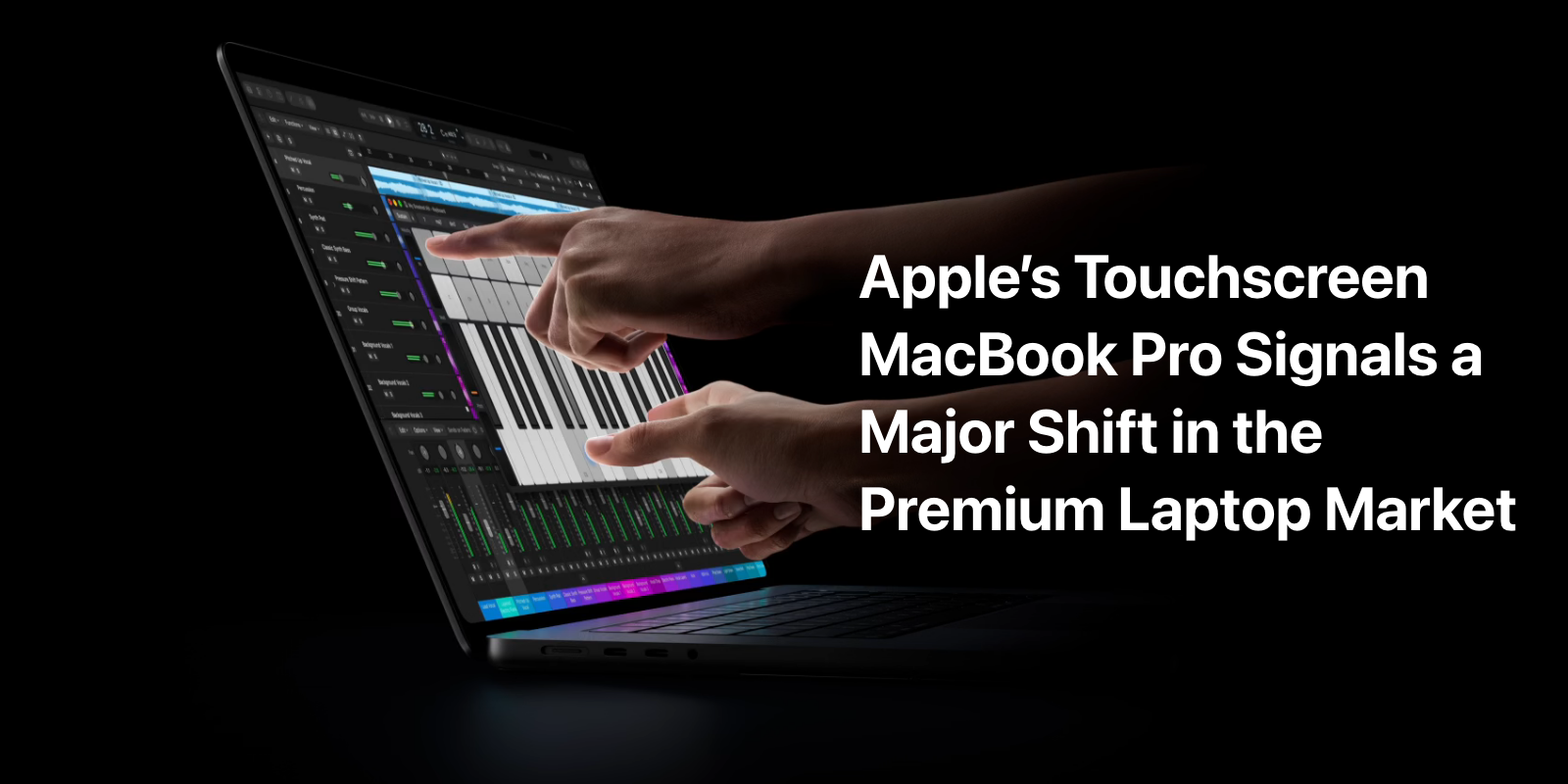
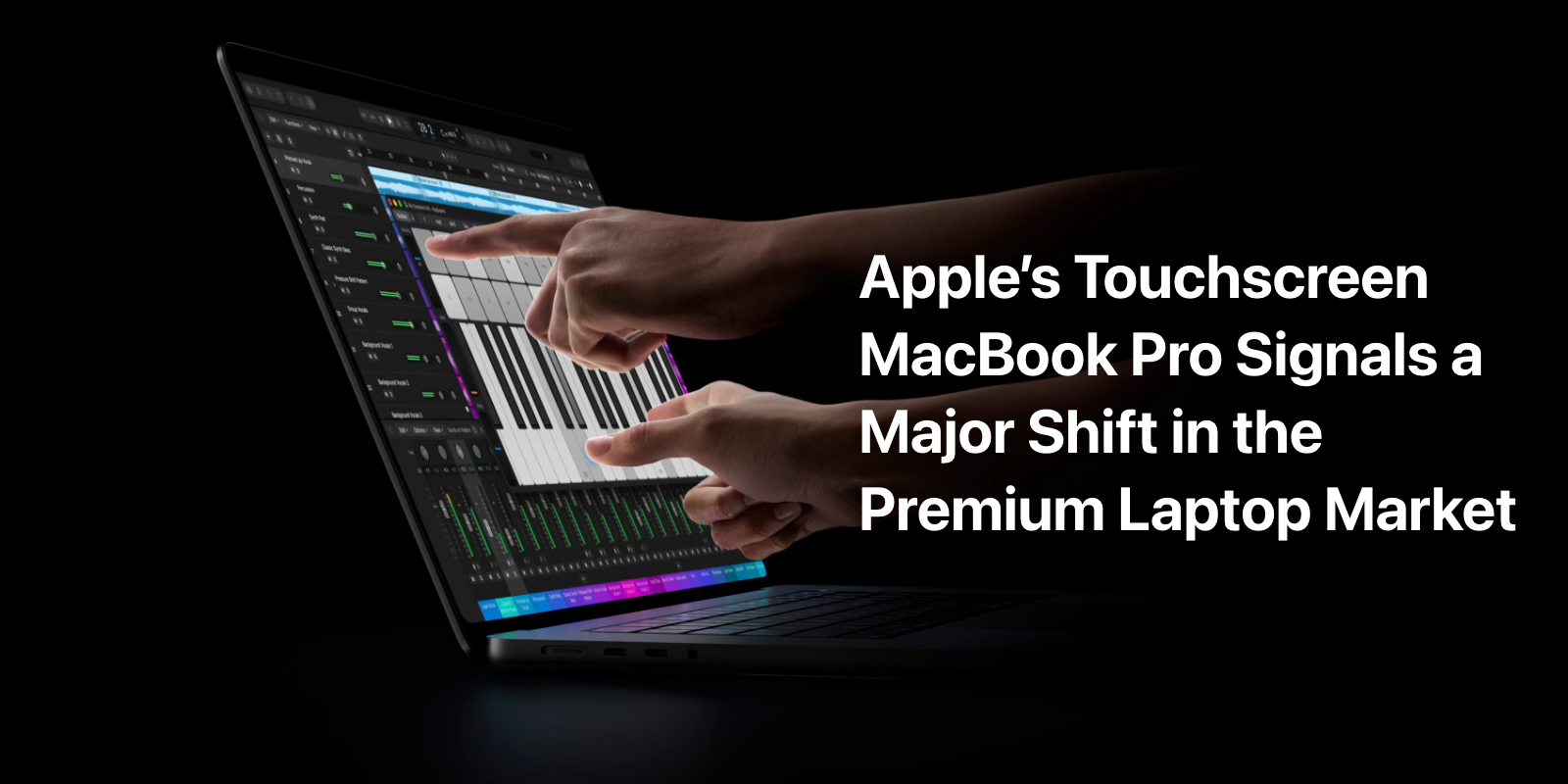
Apple’s introduction of its first touchscreen MacBook Pro marks a major strategic development in the premium laptop segment. The redesigned MacBook Pro combines tandem OLED display technology, touch-based interaction, and Apple’s M5 Pro and M5 Max processors, bringing a new hardware direction to the company’s professional computing portfolio.
The announcement is particularly significant because Apple has traditionally maintained a clear distinction between touchscreen tablets and keyboard-driven Mac computers.
With this launch, Apple is introducing a new interaction model while preserving the MacBook Pro’s established professional identity.
PROLED XDR: A New Display Proposition
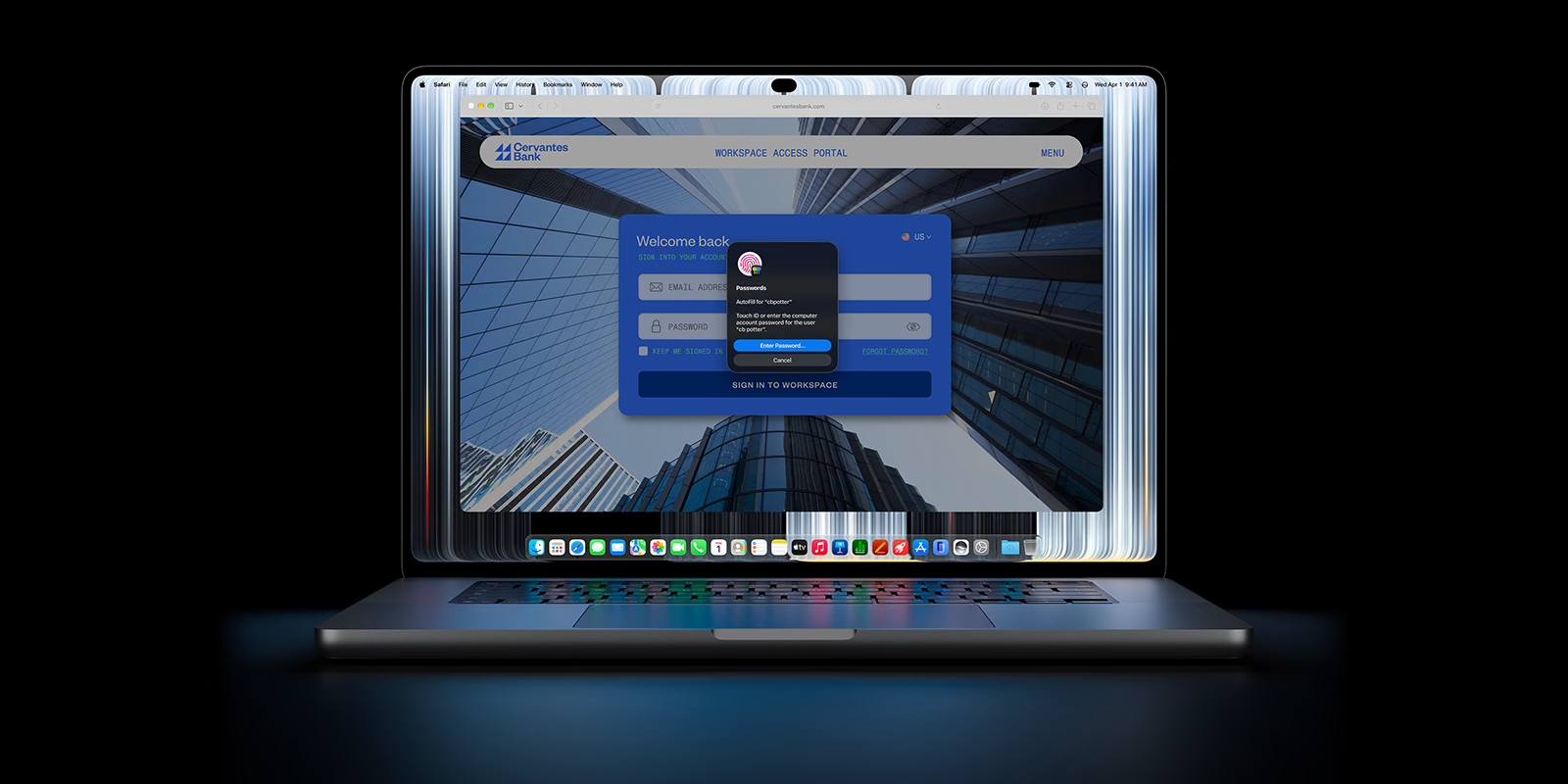
The new MacBook Pro features Apple’s PROLED XDR display, based on tandem OLED technology.
The display combines high brightness, deep contrast, and a 120Hz refresh rate. Apple lists peak brightness of up to 2,000 nits and a contrast ratio of 10,000,000:1.
These specifications position the display as a premium feature for professional users, particularly those working in photography, video production, graphics, and other visually intensive applications.
The transition to OLED also reflects the broader movement toward advanced display technologies across premium consumer electronics.
Touch Interaction Changes the MacBook Experience
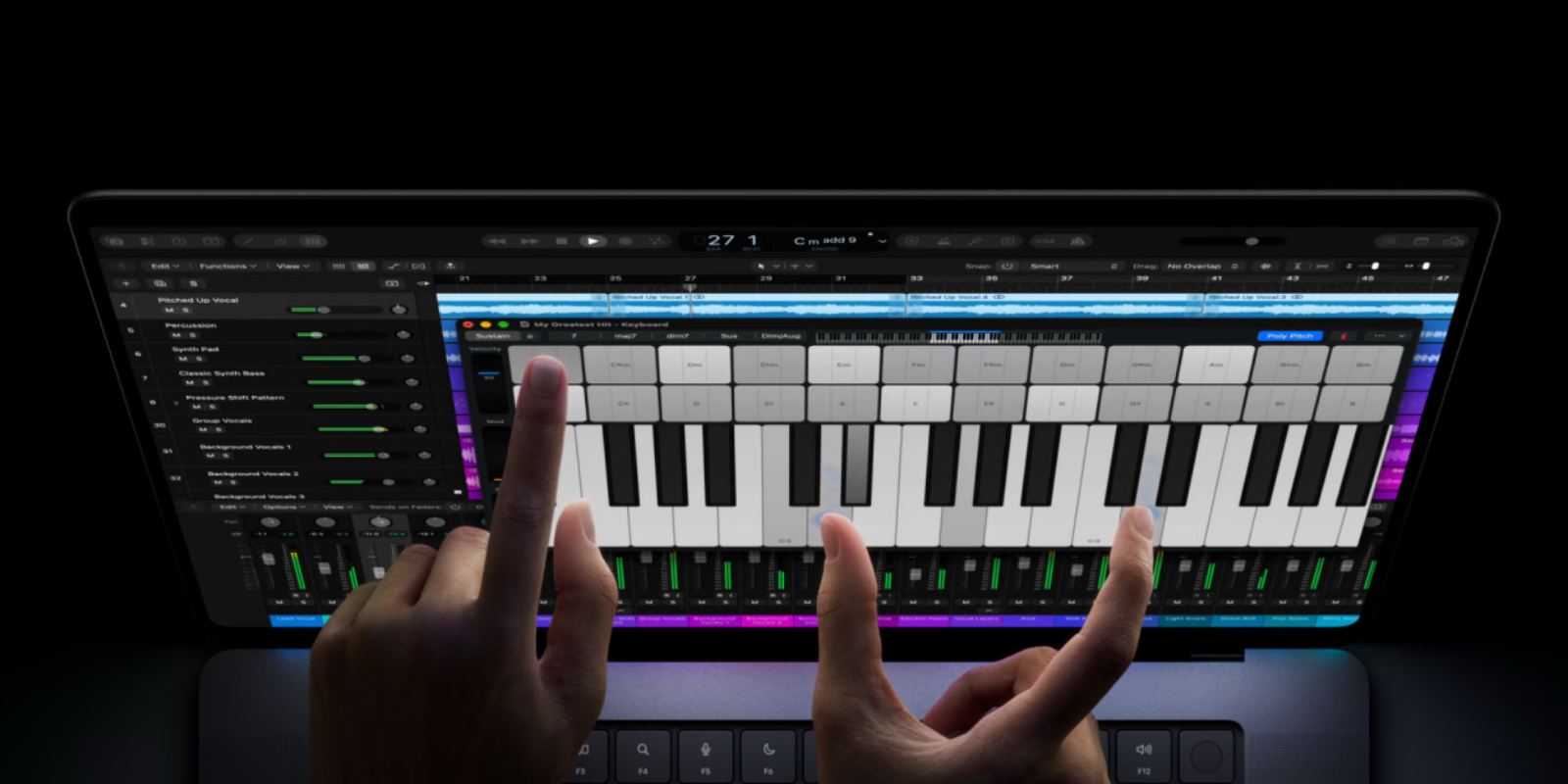
Touchscreen functionality is the defining feature of the new MacBook Pro.
Users can interact directly with the display through gestures such as tapping, scrolling, pinching, and zooming. The touchscreen operates alongside the traditional keyboard and trackpad, rather than replacing them.
This hybrid approach allows Apple to introduce touch functionality without fundamentally changing the MacBook’s laptop form factor.
The development may also encourage software developers to reconsider how professional applications are designed for macOS, particularly in areas where direct manipulation can improve usability.
Hardware and Product Positioning
Apple’s touchscreen MacBook Pro is available in 14-inch and 16-inch configurations.
The new models use M5 Pro and M5 Max processors, focusing on high-performance computing rather than introducing a new processor generation alongside the redesign.
The refreshed hardware also features a lighter and thinner design, a Dynamic Island-style display cutout, and improvements to the overall user experience.
Apple’s decision to position the touchscreen models within its premium MacBook Pro range suggests that the company sees touch interaction as an additional professional capability rather than a replacement for conventional laptop controls.
Implications for the Consumer Electronics Trade
For the consumer electronics trading industry, a major MacBook redesign creates several areas of interest.
First, a new display technology and touchscreen capability can influence customer purchasing decisions, particularly among users considering an upgrade from older MacBook Pro generations.
Second, the coexistence of touchscreen M5 Pro and M5 Max models with the separate M6 MacBook Pro creates a more differentiated product portfolio. Buyers will need to compare processor performance, display technology, and price rather than relying on
processor generation alone.
Third, the launch may influence demand patterns for existing MacBook inventory. As buyers evaluate the new models, distributors and retailers will need to monitor interest in both the redesigned premium devices and established MacBook configurations.
A Product Launch Worth Watching
Apple’s touchscreen MacBook Pro is more than a display upgrade. It represents a change in how the company approaches laptop interaction and premium hardware differentiation.
The success of the new design will depend on how customers respond to touchscreen functionality, how developers adapt their applications, and whether the new experience justifies its premium positioning.
For distributors, wholesalers, retailers, and technology traders, the launch provides another important signal of Apple’s evolving product strategy.
Follow gsmfeed for consumer electronics industry developments, product launches, and global trading news.